Introduction to Packaging Printing Processes
Packaging printing is a crucial aspect of product presentation and branding. The right printing process can enhance the visual appeal, protect the product, and convey important information. Here’s an overview of the main packaging printing techniques and their applications:
1. Offset Printing
Overview: Offset printing, also known as lithography, is renowned for its high-quality output and cost efficiency, especially for large print runs. It involves transferring ink from a plate to a rubber blanket, which then applies the ink to the printing surface.
Applications: Ideal for high-volume production of packaging materials like folding cartons, labels, and brochures. It is particularly effective for products requiring precise color reproduction and high-quality images.
2. Flexographic Printing
Overview: Flexographic printing uses flexible photopolymer plates mounted on rotating cylinders to transfer ink onto various substrates. It is highly efficient for continuous roll-to-roll printing.
Applications: Commonly used for labels, flexible packaging, and corrugated boxes. It is particularly suited for food packaging, pharmaceuticals, and consumer goods due to its versatility and ability to handle different ink types.
3. Digital Printing
Overview: Digital printing directly transfers digital images onto materials without the need for traditional printing plates. It is highly adaptable and allows for on-demand production and customization.
Applications: Perfect for short-run custom packaging, personalized designs, and variable data printing. It is ideal for new product launches, seasonal offers, and limited-edition items.
4. Screen Printing
Overview: Screen printing involves pushing ink through a mesh screen onto the substrate. It is known for its vibrant colors and ability to print on a wide range of materials.
Applications: Commonly used for promotional materials, t-shirts, and packaging that requires a tactile, visually impactful presentation.
5. Pad Printing
Overview: Pad printing transfers two-dimensional images onto three-dimensional objects using a silicone pad. It is highly effective for printing on complex shapes and textures.
Applications: Ideal for custom-shaped containers, toys, and other non-standard items. It is also used in the medical and automotive industries for printing on delicate or sensitive surfaces.
6. Hot Stamping
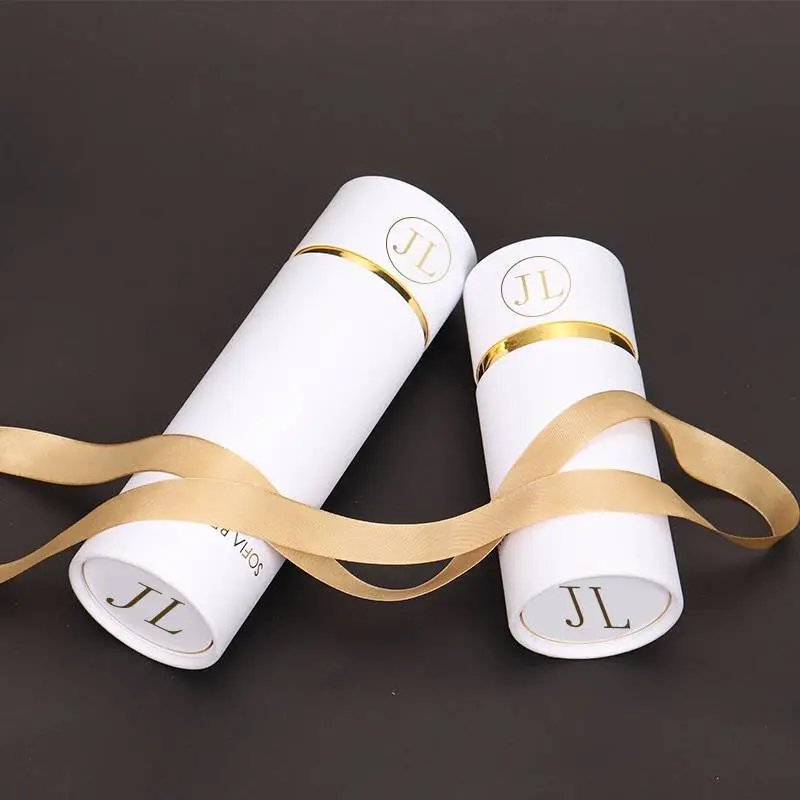
Overview: Hot stamping applies metallic foils or other materials onto a surface using heat and pressure. It adds a luxurious, metallic finish to packaging.
Applications: Widely used in luxury packaging for high-end cosmetics, premium food products, and decorative labels. It enhances the perceived value and visual appeal of the product.
Finishing Techniques
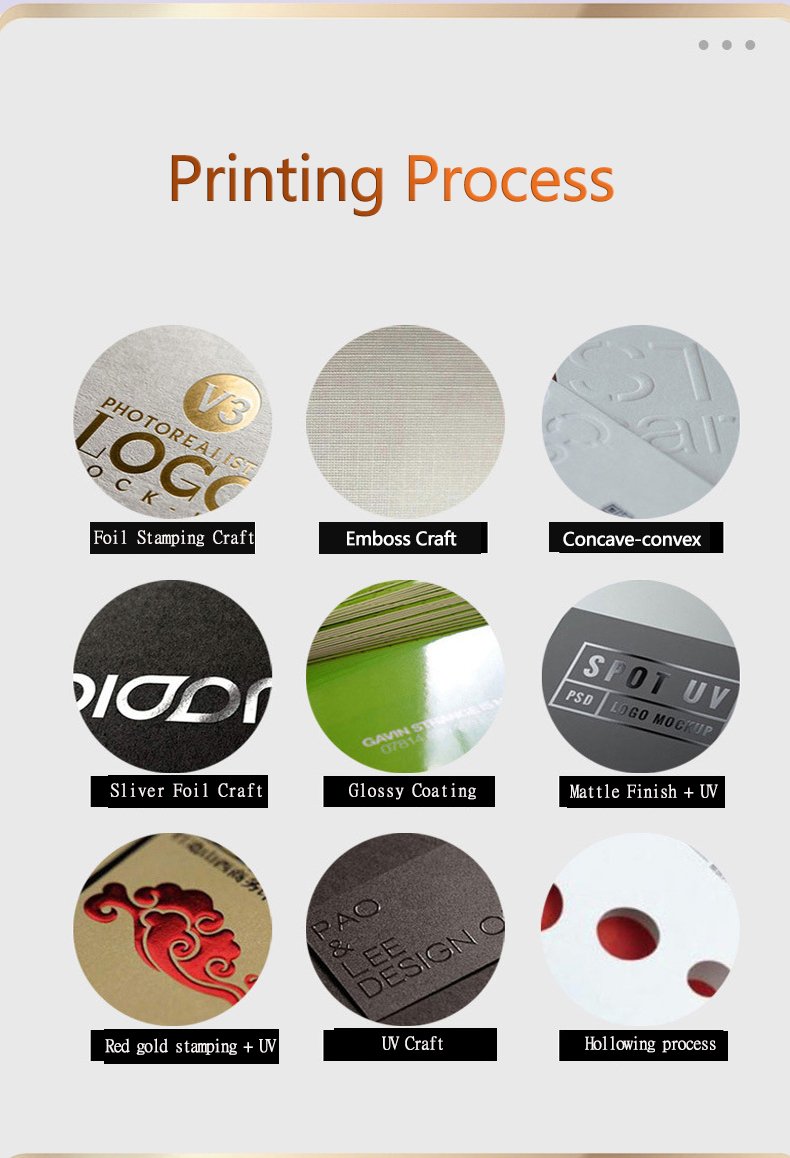
Lamination: Adds a protective layer to the printed material, enhancing durability and providing a glossy or matte finish.
Spot UV or Varnish: Partially applies gloss to specific areas, creating contrast and drawing attention to key elements.
Foil Stamping: Adds metallic or holographic effects, enhancing the visual appeal and luxury feel of the packaging.
Embossing/Debossing: Creates raised or recessed designs, adding a tactile dimension to the packaging.
Choosing the Right Printing Method
When selecting a printing technique, consider factors such as production volume, material type, desired print quality, and budget. Each method has its strengths and is best suited for specific applications. Consulting with packaging professionals can help you make an informed decision that aligns with your brand’s objectives.
By understanding these printing processes, you can ensure that your packaging not only meets but exceeds consumer expectations, enhancing brand recognition and loyalty.
If you want a customized process for your prints, you can contact me!